Wearable Tech Integrations Reshaping Bonus Redemption Flows in Live Interactive Sessions
Drew Schmid · Sep 13, 2026
Wearable Tech Integrations Reshaping Bonus Redemption Flows in Live Interactive Sessions
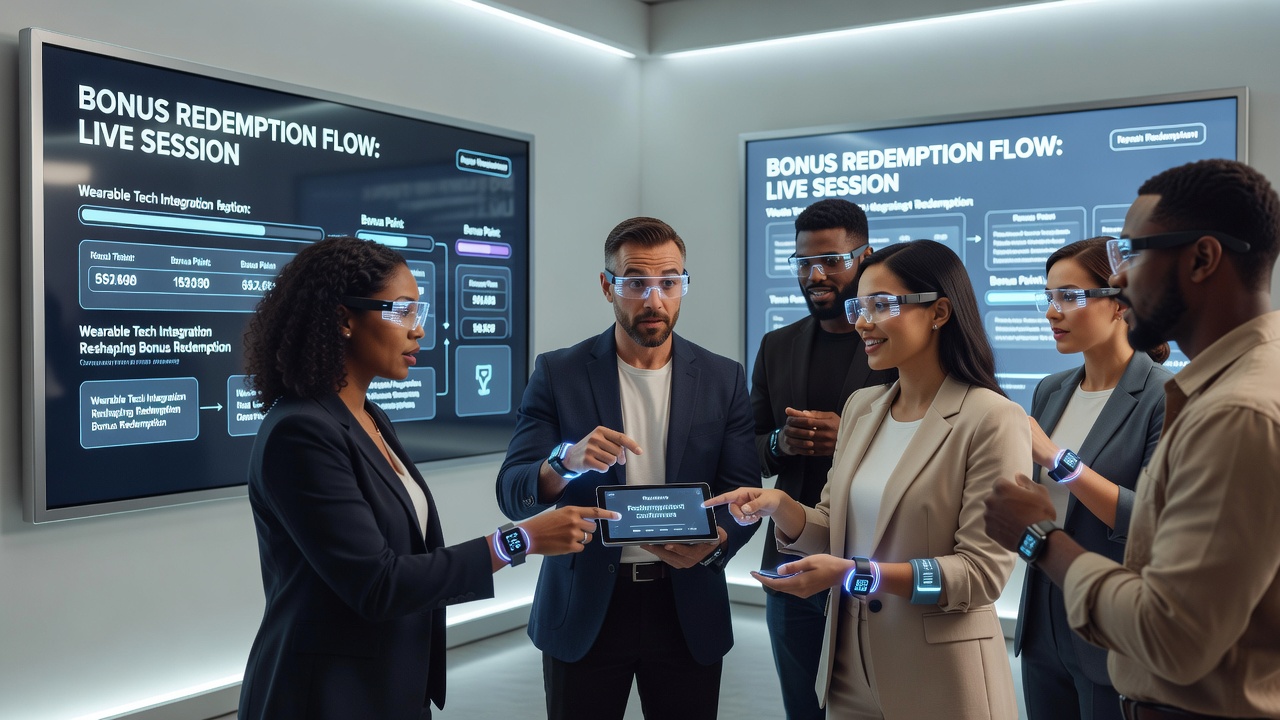
Live interactive sessions in digital entertainment platforms now incorporate wearable devices such as smartwatches and fitness bands to streamline bonus redemption processes, and data from multiple providers shows these integrations reduce verification steps while maintaining compliance standards across regions. Researchers at institutions tracking mobile gaming trends note that biometric inputs from wearables allow real-time authentication during live dealer interactions, which connects directly to layered reward systems without requiring separate app navigation.
Biometric Triggers and Real-Time Flows
Systems developed by gaming aggregators link heart rate variability and gesture patterns captured through wearables to bonus activation sequences, so players complete redemptions by performing specific motions or reaching threshold metrics during sessions. One study from a Canadian research consortium revealed that synchronization between device sensors and platform servers cuts processing times by up to 40 percent in controlled tests conducted through 2025. These connections operate across multi-provider networks where live tables feed data streams into centralized ledgers that track eligibility and distribute rewards instantly upon confirmation.
September 2026 marks the scheduled rollout of enhanced API standards that several European operators plan to adopt, allowing wearables to interface with progressive jackpot pools while preserving encryption protocols required by regulatory frameworks in multiple jurisdictions. Observers tracking these developments point out that transaction logs generated through wearable inputs create auditable trails that align with oversight requirements from bodies like the Nevada Gaming Control Board.
Security Protocols and Data Handling
Encryption layers applied to sensor data ensure that personal metrics remain isolated from core gaming engines even as they influence redemption timing, and industry reports indicate adoption rates climbed steadily through late 2025 as device compatibility expanded. Those examining cross-platform integrations find that token-based authentication replaces traditional login sequences in many live environments, which reduces friction points during high-volume interactive periods.
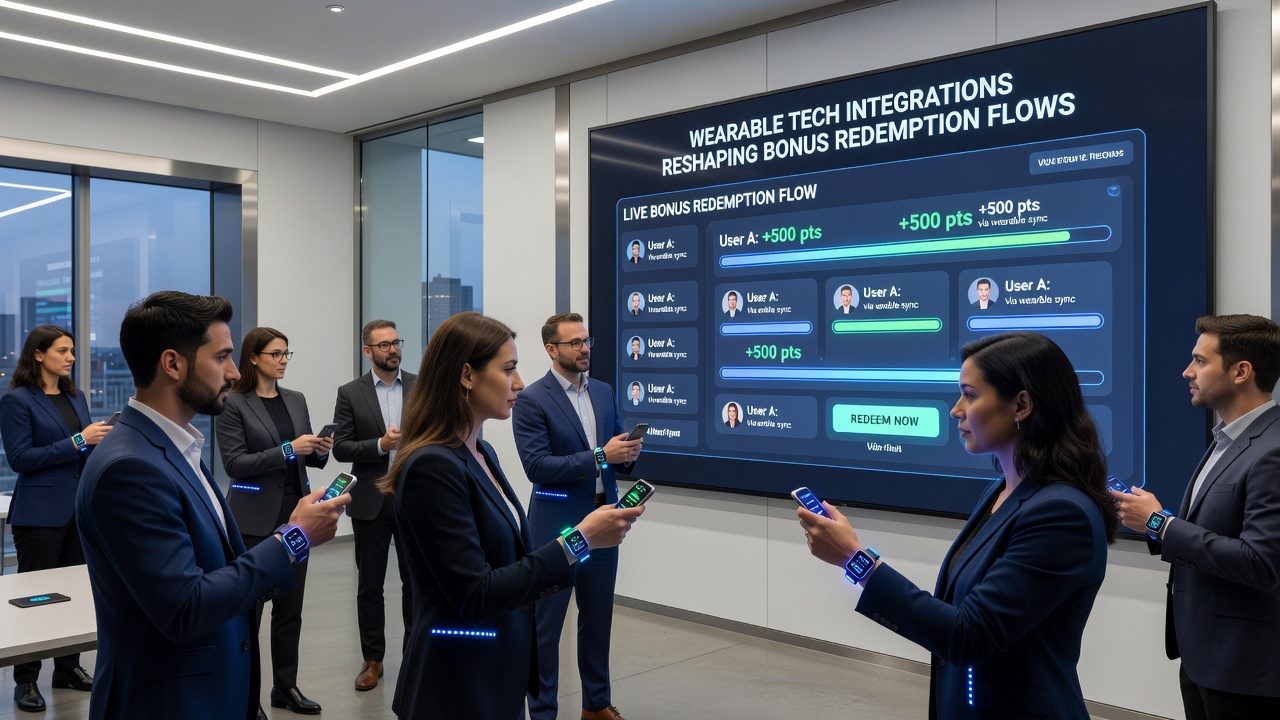
Figures released by the Australian Communications and Media Authority highlight growing use of wearable-linked verification in regional markets, where operators report fewer disputes over reward eligibility because sensor timestamps provide objective records of player actions. Integration teams at major aggregators continue testing latency thresholds to maintain seamless flows even when multiple devices connect simultaneously to the same session.
Regional Adoption Patterns
Markets in North America and parts of Asia demonstrate faster uptake of these technologies compared with earlier mobile-only systems, and case examples from operators in those areas show bonus redemption volumes rising without corresponding increases in support queries. Data compiled through academic partnerships at universities in the United States demonstrates measurable shifts in session duration when wearables handle redemption triggers, because players remain engaged in live streams rather than switching interfaces.
Regulatory updates scheduled for review in several territories during 2026 emphasize standardized data-sharing guidelines that accommodate wearable inputs while protecting user information across borders. Those monitoring compliance note that early pilot programs already incorporate feedback mechanisms allowing operators to adjust sensitivity settings based on aggregate performance metrics rather than individual profiles.
Future Integration Pathways
Engineers working on next-generation platforms explore additional sensor types such as skin conductance and motion accuracy to expand the range of actions that can unlock layered rewards during live events. Partnerships between hardware manufacturers and software providers accelerate these capabilities, with testing cycles focused on maintaining fairness standards across diverse connection qualities. Reports from trade associations document steady progress in aligning these systems with existing payment rails so that redeemed bonuses transfer directly to linked accounts without manual intervention.
Conclusion
Integration of wearable technology into live interactive bonus systems continues to evolve through technical refinements and regulatory alignment, and evidence from ongoing implementations shows measurable improvements in flow efficiency across participating platforms. Continued monitoring by industry groups and academic researchers will track how these changes affect broader session dynamics through the remainder of the decade.