Wearable Sensor Inputs Guide Dynamic Bonus Allocation in Mobile Progressive Jackpot Systems
Petra Lorenz · Aug 18, 2026
Wearable Sensor Inputs Guide Dynamic Bonus Allocation in Mobile Progressive Jackpot Systems
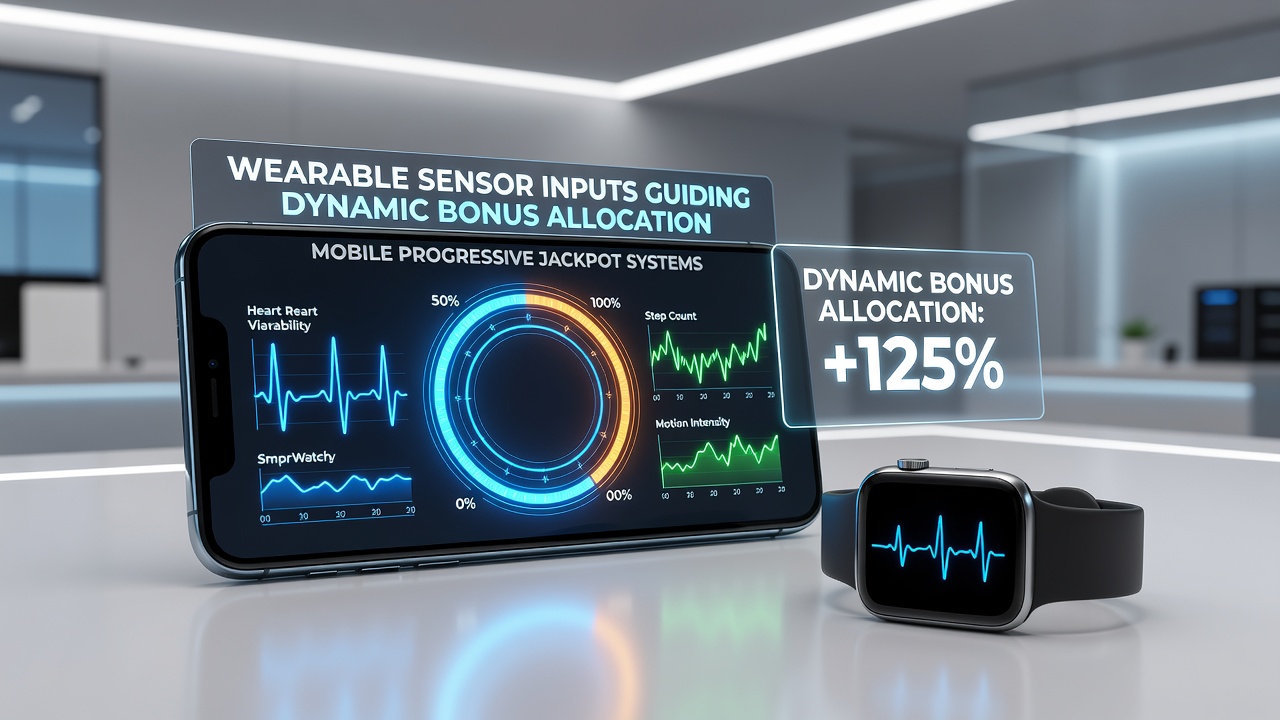
Operators have started integrating wearable sensor inputs into mobile progressive jackpot platforms, and the process relies on real-time biometric streams that adjust bonus multipliers during active sessions. Heart rate monitors, accelerometers, and gyroscopes from devices like smartwatches feed continuous data streams into backend algorithms that recalculate contribution rates to shared prize pools. Systems deployed across multiple jurisdictions in August 2026 already demonstrate how these inputs trigger tiered bonus escalations when player engagement metrics cross predefined thresholds.
Core Mechanisms Behind Sensor-Driven Allocation
Progressive jackpot networks pull data packets every few seconds from paired wearables, and algorithms map elevated heart rates or sudden movement spikes to increased bonus contribution percentages while the same data can reduce allocations during periods of low physiological response. Developers have built these mappings on established patterns observed in controlled trials where participants wore standard fitness trackers during simulated mobile sessions. The result appears in live environments as fluctuating bonus meters that respond directly to the wearer's current state rather than fixed bet amounts alone.
One deployment in North American markets connects accelerometer readings to symbol cascade triggers in reel games, whereas European operators focus on galvanic skin response sensors for similar adjustments. Data from these implementations shows average session lengths extend when bonuses scale with detected excitement levels, yet the underlying code remains compliant with local technical standards set by each regulatory body. Observers note that synchronization occurs through secure API endpoints that strip personal identifiers before the information reaches the jackpot controller.
Regional Rollouts and Technical Standards in 2026
August 2026 saw several suppliers release updated software development kits that allow direct Bluetooth pairing between consumer wearables and casino-grade mobile applications. These kits translate raw sensor values into normalized engagement scores that slot into existing progressive contribution formulas. Regulatory reviews in multiple regions confirm that the scoring process operates within audited parameters, and independent testing labs have verified that no single sensor input can override the random number generator responsible for jackpot triggers.
Platforms operating under New Jersey Division of Gaming Enforcement oversight have incorporated these features into select titles, while parallel trials in other markets follow comparable technical specifications. The architecture separates biometric processing from financial transaction layers, which keeps player funds isolated even when bonus values shift dynamically. Reports indicate that average jackpot growth rates remain consistent across sessions that use sensor guidance and those that rely solely on wager volume.
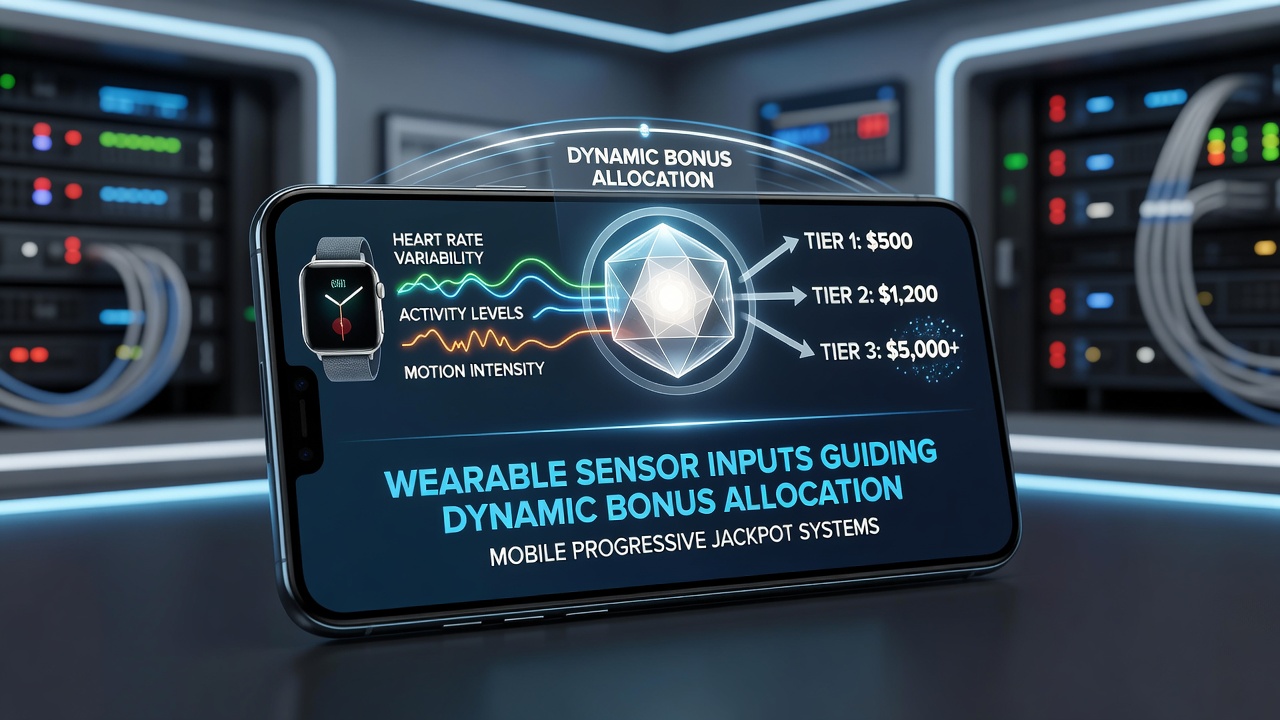
Technical documentation released by suppliers outlines how multi-provider aggregators standardize the data format so that a single wearable can influence jackpots hosted on different backend systems. This standardization reduces integration overhead for operators who maintain several progressive pools simultaneously. Figures released by testing authorities show error rates below 0.2 percent for data transmission during peak load periods in August 2026 deployments.
Security Protocols and Data Handling Practices
Encryption protocols wrap every sensor packet before it leaves the wearable device, and decryption occurs only inside isolated processing modules that discard raw readings after score generation. Industry groups such as the Nevada Gaming Control Board have published guidelines that require operators to retain only aggregated engagement scores rather than full biometric logs. Compliance teams conduct regular audits to confirm that no individual player profiles can be reconstructed from the stored values.
Cross-border networks apply additional masking layers when data travels between jurisdictions with differing privacy statutes. Researchers at institutions including the University of Sydney have examined these masking techniques in published papers that evaluate long-term storage practices for sensor-derived metrics. The findings support continued use of the current architecture provided operators maintain the separation between raw inputs and financial records.
Conclusion
Wearable sensor integration into mobile progressive jackpot systems continues to expand through standardized data protocols and audited processing pipelines. August 2026 implementations demonstrate consistent performance across regions while meeting technical and regulatory requirements set by oversight bodies. Future updates will likely refine the mapping between specific sensor types and bonus scaling rules as more operators adopt the framework.