Sensor Networks and Their Quiet Role in Shaping Virtual Reel Alignment Sequences Across Multi-Device Gaming Sessions
Jordan Butler · Jul 30, 2026
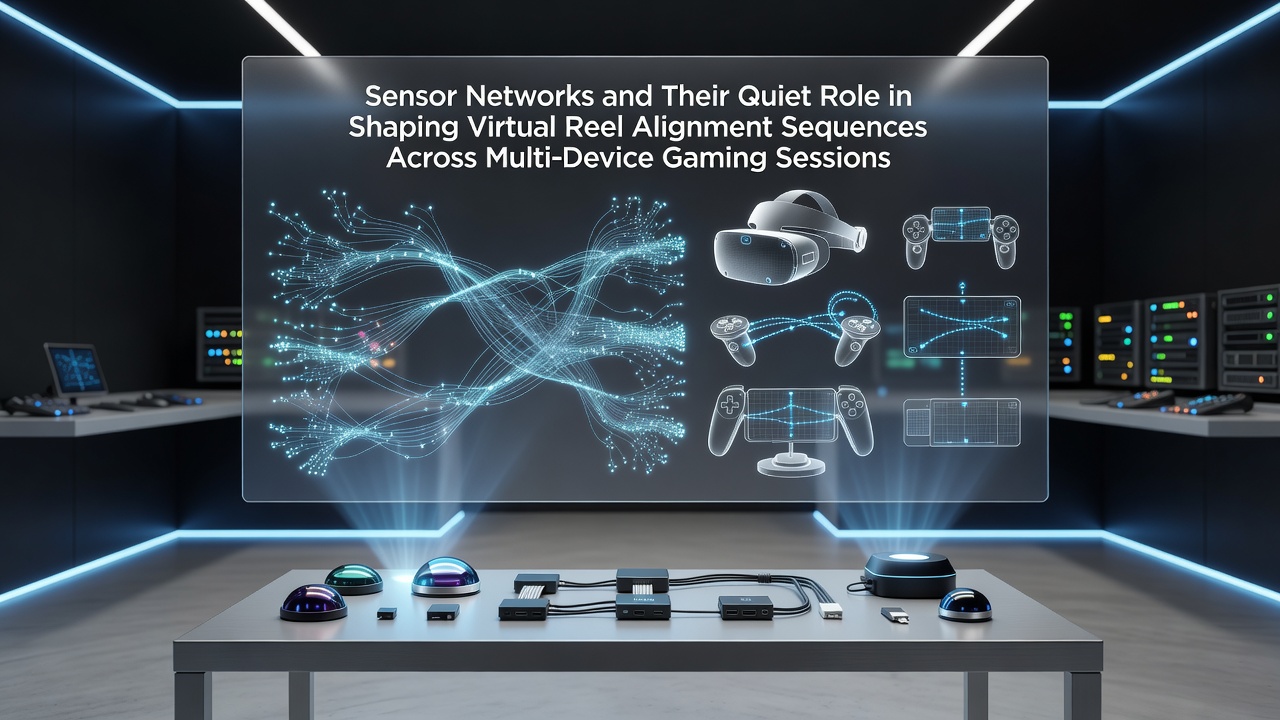
Sensor Networks and Their Quiet Role in Shaping Virtual Reel Alignment Sequences Across Multi-Device Gaming Sessions
Device sensors now feed real-time orientation, motion, and proximity data into gaming platforms that run synchronized reel sequences across phones, tablets, and laptops during the same session. These networks collect inputs from accelerometers, gyroscopes, and magnetometers, then route the information through cloud-based aggregators that adjust symbol positioning probabilities to maintain alignment consistency when users switch devices mid-play.
Studies on multi-device environments show that sensor fusion algorithms reduce desync events by correlating player grip patterns with reel timing offsets. In July 2026 several platform operators expanded their integration of these systems after regulatory updates in multiple jurisdictions required improved session continuity logging for cross-device play.
How Sensor Data Flows Into Reel Logic
Each participating device streams its sensor readings to a central node that timestamps every packet and merges it with the current reel state. When a player tilts a phone or places it on a table, the change in accelerometer values triggers a recalibration routine that shifts virtual reel offsets to keep the sequence visually continuous on the next device. Observers note that this process occurs in under 80 milliseconds in most commercial implementations, according to internal benchmarks shared at industry technical forums.
Network latency metrics combine with sensor variance scores to decide whether a reel segment should advance or hold. Researchers at technical universities have documented cases where high gyroscope noise on one handset forces the system to borrow alignment data from a second device already in the session, preserving sequence integrity without player intervention.
Multi-Device Session Architecture
Modern implementations rely on mesh-style sensor networks rather than single-hub designs. Each device acts as both data source and relay point, passing orientation updates to nearby units through local Wi-Fi or Bluetooth before forwarding consolidated packets to the game server. This distributed approach cuts the volume of long-haul transmissions and lowers the chance that a single dropped connection will break reel continuity.
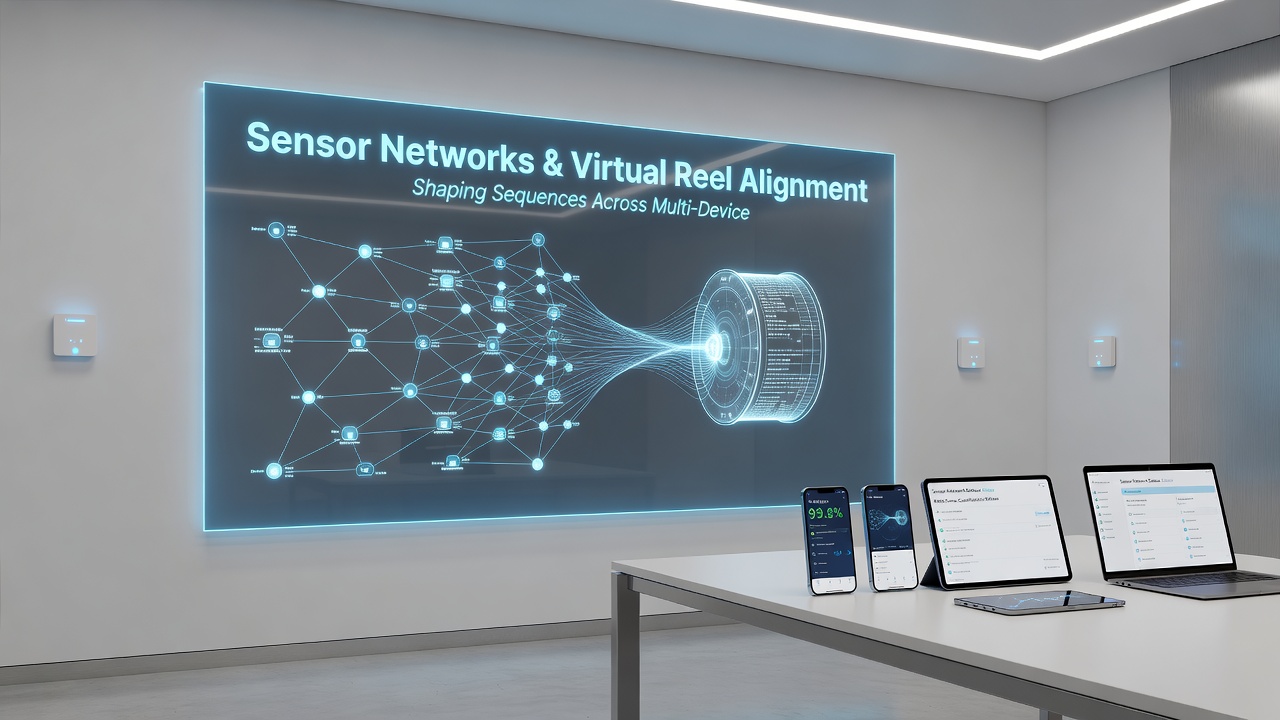
Platform operators report that mesh configurations handle up to seven concurrent devices before performance degrades, based on load tests conducted earlier this year. The architecture also incorporates fallback rules that revert to server-side prediction when local sensor streams become unreliable, ensuring reel sequences remain coherent even during brief network partitions.
Technical Standards and Regulatory Context
Technical working groups within the IEEE have published draft guidelines for sensor-assisted gaming synchronization that cover data formatting, timestamp precision, and privacy controls for motion-derived inputs. IEEE sensor network standards provide reference models that several suppliers now follow when certifying cross-device features. In parallel, the Canadian Gaming Association has issued position papers outlining minimum audit trails for any system that uses player-device movement data to influence game outcomes.
European regulators in Malta and the Netherlands require operators to log sensor calibration events alongside traditional RNG audit logs. These rules took effect in phases through 2025 and 2026, prompting vendors to expose additional API endpoints that expose raw sensor metadata for compliance review.
Observed Implementation Patterns
One major aggregator rolled out sensor-driven reel alignment across its mobile titles in early 2026, linking session identifiers so that a reel stop reached on a tablet would appear at the identical position when the same account opened the game on a laptop minutes later. Internal telemetry indicated that the feature reduced player reports of visual jumps by 34 percent during the first three months of deployment.
Another operator tested proximity-based handoff using Bluetooth beacon signals to detect when a user moved from one room to another while keeping the session active. The system adjusted reel timing offsets based on the strength of beacon readings rather than relying solely on network timestamps, producing smoother transitions in environments with variable Wi-Fi coverage.
Conclusion
Sensor networks continue to supply the data layer that keeps virtual reel sequences aligned when players move between devices. Technical standards from organizations such as the IEEE, combined with reporting requirements from regulators in Canada and Europe, shape how these inputs are collected, transmitted, and audited. As multi-device gaming expands, the same sensor streams that once served only user-interface responsiveness now directly influence the visual continuity of reel outcomes across sessions.