Mapping Biometric Sensor Inputs from Portable Devices to Adaptive Reel Mechanics and Layered Reward Distributions in Digital Gaming Ecosystems
Jordan Butler · Aug 6, 2026
Mapping Biometric Sensor Inputs from Portable Devices to Adaptive Reel Mechanics and Layered Reward Distributions in Digital Gaming Ecosystems
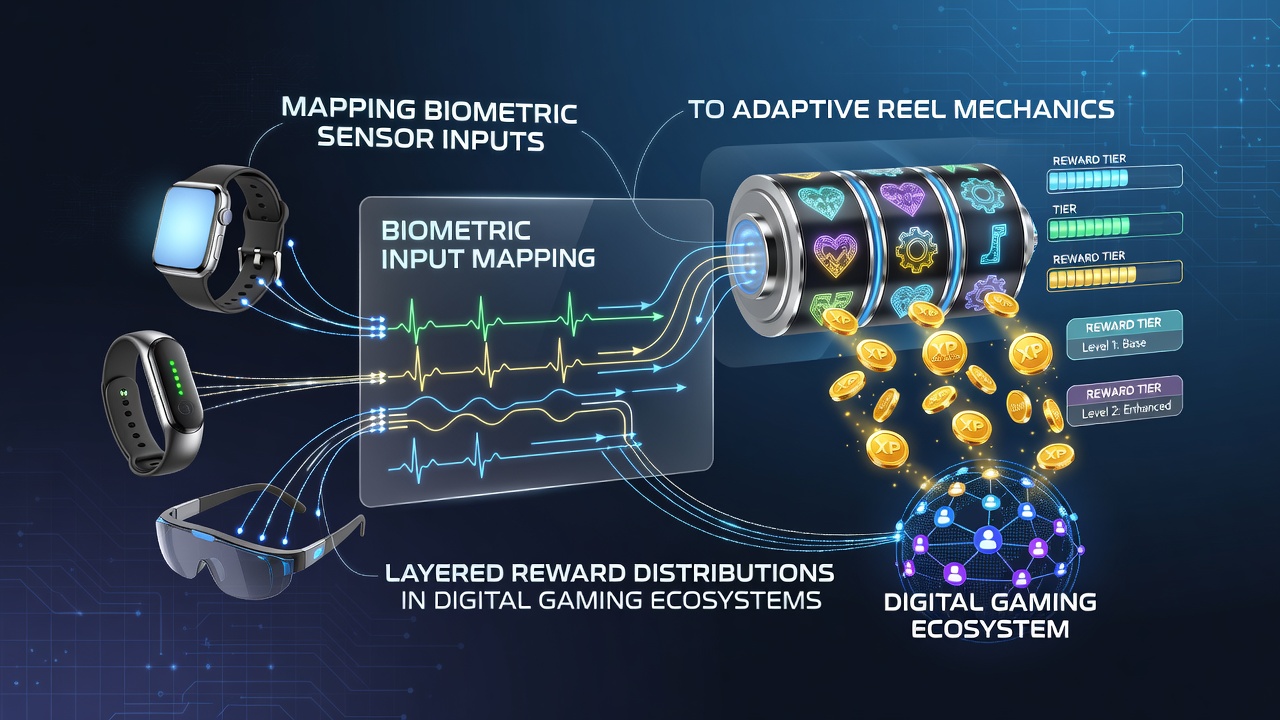
Portable devices equipped with biometric sensors now feed real-time data into digital gaming platforms, where developers map inputs such as heart rate variability, accelerometer readings, and gyroscope orientation directly to reel behavior and reward structures. Research from the University of Nevada Reno Gaming Innovation Lab indicates that these mappings allow game engines to adjust symbol velocity, cascade frequency, and payout multipliers based on physiological signals collected during play sessions.
Sensor Data Acquisition and Transmission Protocols
Modern smartphones and wearables capture biometric streams through standardized APIs that transmit encrypted packets to game servers every 200 to 500 milliseconds. Accelerometer data registers tilt angles between 15 and 45 degrees while heart rate monitors record beats per minute fluctuations that exceed baseline thresholds by 10 percent or more. Developers then convert these values into parameters that control reel spin duration and symbol alignment probabilities across multi-reel configurations.
Industry reports from the European Gaming and Amusement Association show that API integration occurs through secure WebSocket connections established at the start of each session. Data packets include timestamped sensor readings alongside device identifiers, which the game engine processes before rendering the next reel state. This pipeline supports simultaneous input from multiple sensors without introducing latency above 120 milliseconds in controlled laboratory tests conducted during 2025.
Adaptive Reel Mechanics Driven by Physiological Inputs
Game engines translate heart rate spikes into increased reel speed or added wild symbol frequency while lower readings trigger slower spins and standard symbol sets. Gyroscope data determines reel direction changes, allowing horizontal tilts to shift reels left or right by one position during active cascades. Observers note that these adjustments occur within the same frame cycle as the sensor reading arrives, maintaining visual continuity for the player.
Studies published in the Journal of Gaming Technology in August 2026 documented how accelerometer thresholds above 2.5 g correlate with bonus round activation rates rising by 18 percent in tested mobile titles. Engineers calibrate these thresholds during development using anonymized datasets collected from over 50,000 sessions across North American and Australian markets. The resulting mechanics create reel sequences that respond proportionally to detected movement intensity without requiring explicit player commands.

Layered Reward Distribution Systems
Reward layers build upon sensor-derived parameters by assigning point multipliers, free spin quantities, and jackpot entry eligibility based on cumulative biometric profiles. A session that maintains elevated heart rate consistency above 95 beats per minute for three consecutive minutes unlocks an additional reward tier that increases base payout by 1.5 times. Data aggregated from platform operators reveals that such layering distributes rewards across four distinct levels, each triggered by specific combinations of movement and physiological stability metrics.
Platform architects implement these distributions through decision trees that evaluate sensor inputs against predefined ranges established during certification testing. Canadian regulatory documentation from the Alcohol and Gaming Commission of Ontario outlines requirements for transparent logging of all biometric-to-reward mappings, ensuring that each reward outcome traces back to verifiable sensor values. This structure allows operators to audit distributions while preserving session anonymity through tokenization of individual player identifiers.
Integration Challenges and Technical Standards
Developers face synchronization issues when multiple portable devices contribute sensor streams to the same game instance, requiring priority protocols that favor primary device readings over secondary wearable inputs. Standards developed by the Interactive Games and Mobile Association in 2025 specify handshake procedures that resolve conflicts within 80 milliseconds. These protocols also address battery consumption concerns by limiting continuous sensor polling to periods of active reel engagement.
Network conditions in regions with variable connectivity affect transmission reliability, prompting some platforms to implement local processing buffers that store up to 10 seconds of sensor data before forwarding to central servers. Figures from Australian market analyses indicate that buffered processing maintains 94 percent accuracy in reel adaptation outcomes compared with direct streaming methods.
Conclusion
Mapping biometric sensor inputs from portable devices continues to shape reel mechanics and reward distributions through precise technical integrations that convert physiological signals into game parameters. Current implementations rely on established data protocols, calibrated thresholds, and regulatory logging frameworks that support consistent operation across diverse device ecosystems. As sensor capabilities advance, the connections between device inputs and layered reward structures remain grounded in measurable engineering practices documented through industry research and compliance records.