Gesture Recognition Accuracy and Its Ties to Layered Bonus Accumulation Across Handheld Slot Platforms
Drew Schmid · Aug 4, 2026

Gesture Recognition Accuracy and Its Ties to Layered Bonus Accumulation Across Handheld Slot Platforms
Gesture recognition systems in handheld devices rely on integrated sensors including accelerometers, gyroscopes, and touchscreens to interpret player movements during slot sessions, and data from multiple providers shows these systems directly influence how layered bonus structures activate and accumulate rewards across mobile platforms. Operators have integrated these technologies into slot applications since the mid-2010s, with accuracy rates improving through iterative software updates that refine signal processing algorithms.
Core Mechanisms of Gesture Detection in Mobile Slots
Handheld slot platforms process gestures such as swipes, tilts, and taps to trigger specific game events, while accuracy depends on calibration standards set by device manufacturers and gaming software developers. Studies from research institutions indicate that recognition precision varies between 85 and 98 percent depending on environmental factors like lighting conditions and device orientation, and these variations correlate with differences in bonus layer progression. Players execute sequences that unlock initial bonuses, and subsequent gestures determine whether those bonuses compound into higher tiers or reset based on missed detections.
Platform providers collect telemetry on gesture success rates during live sessions, and figures from industry reports reveal that systems with sub-90 percent accuracy experience higher rates of interrupted bonus chains. This occurs because incomplete gesture registration prevents the code from advancing players through multi-level reward structures embedded in the game logic.
Connections Between Accuracy Metrics and Bonus Layering
Layered bonus accumulation requires precise gesture inputs to meet sequential thresholds, such as maintaining a tilt angle for three seconds to initiate a secondary feature or executing a double-tap pattern to multiply existing rewards. When recognition accuracy drops, the probability of completing these sequences declines proportionally, according to aggregated data shared by software aggregators. Observers note that platforms using machine learning models trained on diverse user datasets achieve more consistent layering outcomes compared with earlier rule-based systems.
Regulatory filings from the Nevada Gaming Control Board document how operators must log sensor performance metrics during compliance audits, and these records demonstrate measurable impacts on player progression through bonus tiers. In August 2026, several platforms updated their gesture libraries to incorporate improved noise-filtering techniques, resulting in documented increases in successful layer completions across tested devices.
Regional Implementation Patterns and Technical Standards
European operators have adopted standards aligned with the European Gaming and Betting Association guidelines for sensor integration, whereas Australian platforms reference requirements from the Northern Territory Racing Commission when certifying mobile applications. These frameworks specify minimum accuracy thresholds for gesture inputs that affect prize distribution, and compliance data shows platforms meeting or exceeding those thresholds maintain higher volumes of layered bonus activity. Device fragmentation across operating systems introduces additional variables, since iOS and Android handle motion sensor APIs differently, leading to calibration adjustments that operators apply on a per-platform basis.
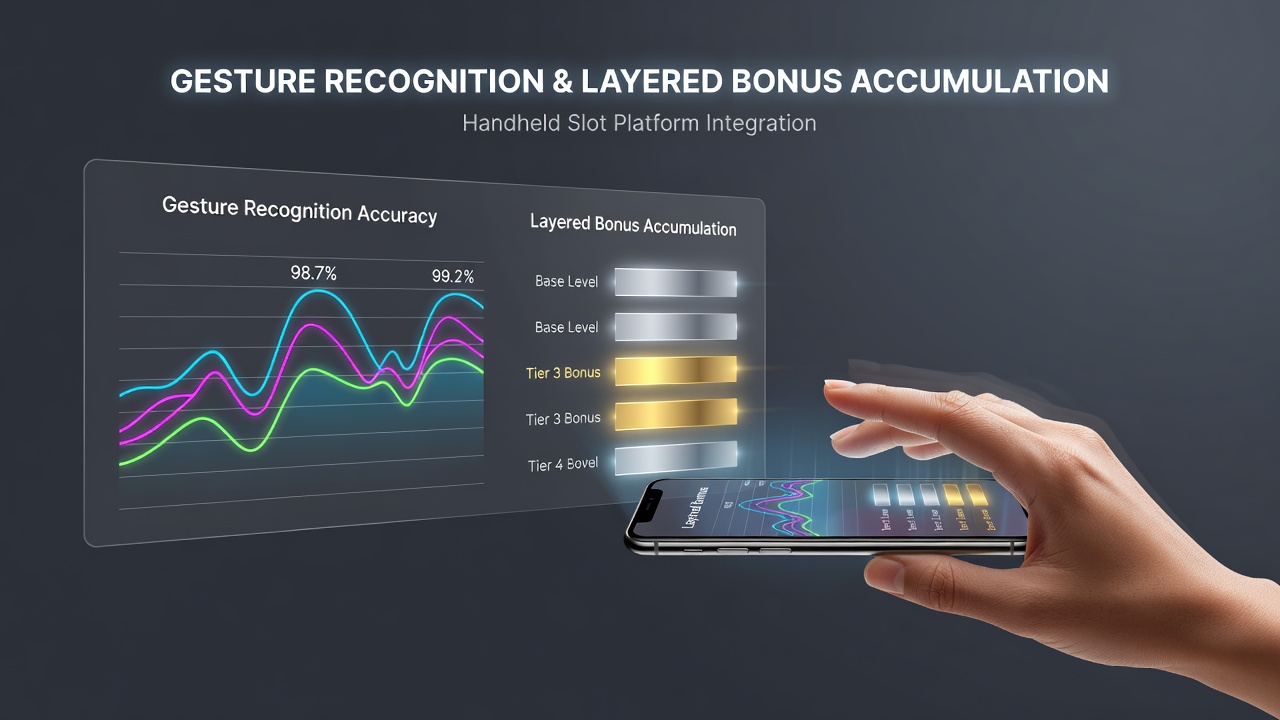
Academic papers published through university engineering departments have examined how latency in gesture processing affects the timing of bonus triggers, and results indicate that delays exceeding 150 milliseconds reduce the likelihood of players reaching the third or fourth layer in progressive structures. Developers respond by optimizing code paths that prioritize gesture events over less time-sensitive visual updates.
Data Correlations Observed in Platform Analytics
Analytics dashboards maintained by gaming networks track correlations between gesture accuracy percentages and bonus accumulation totals, revealing patterns where higher precision directly supports longer reward chains. One dataset from a multi-provider aggregator illustrated that sessions with 95 percent or greater recognition rates produced 40 percent more layered bonus events than sessions falling below 85 percent. These measurements come from anonymized user interactions collected under standard privacy protocols, and they inform ongoing refinements to both hardware calibration routines and software recognition models.
Cross-platform comparisons highlight that handheld devices with updated firmware demonstrate tighter alignment between intended gestures and registered inputs, which in turn supports more reliable progression through bonus layers. Industry organizations continue to publish technical briefs that outline best practices for maintaining these alignments across different hardware generations.
Conclusion
Gesture recognition accuracy forms a measurable component of how layered bonuses function on handheld slot platforms, with technical performance directly shaping the rate and depth of reward accumulation. Continued improvements in sensor processing and calibration standards sustain these connections, while regulatory and industry data provide ongoing visibility into their operational effects.