Decrypting Loyalty Point Expiration Mechanics in Cross-Platform Progressive Pools
Petra Lorenz · Oct 11, 2026
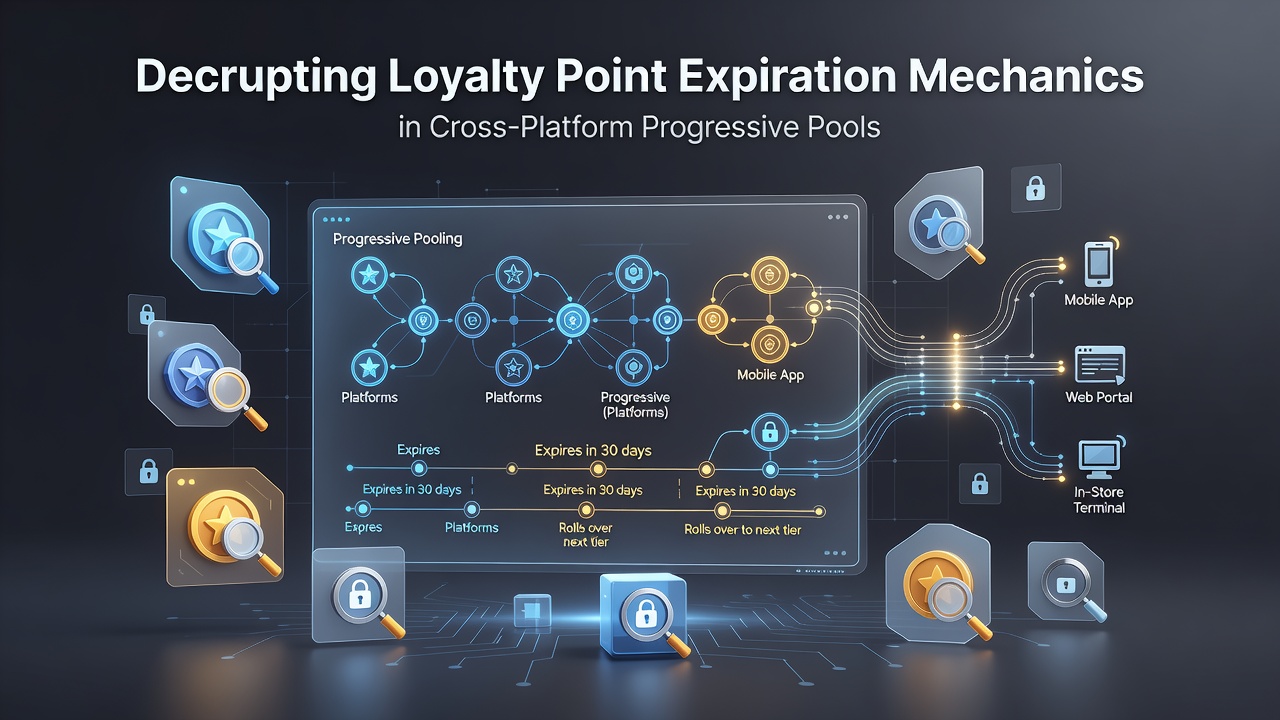
Decrypting Loyalty Point Expiration Mechanics in Cross-Platform Progressive Pools
Cross-platform progressive pools combine loyalty points earned on mobile apps, desktop sites, and in-venue terminals into shared prize structures where expiration rules determine how long points remain active before they drop from the collective pool. Operators track these points through centralized servers that synchronize activity data every few minutes, and expiration triggers activate when accounts show no qualifying wagers for a set interval. Data from multiple jurisdictions indicate that tiered accounts experience different reset periods, with higher tiers often granted extended windows before points begin to decay.
Core Mechanics Behind Point Lifecycles
Points enter the progressive pool upon deposit or wager completion, and the system assigns an initial validity window based on the operator's published schedule. When a player switches between devices, the platform logs the transition timestamp, yet any gap in activity across all linked accounts can initiate the countdown toward expiration. Researchers at several gaming technology firms have documented cases where points contributed to a shared jackpot pool lost value after 90 days of inactivity on lower-tier accounts, whereas premium tiers retained eligibility for up to 180 days under the same pool rules.
Expiration does not always remove points immediately from the visible balance. Instead, many systems apply a staged reduction: first the points lose eligibility for progressive contributions, then they vanish entirely if the account remains dormant. This staged approach allows operators to maintain accurate pool totals while still enforcing time-based limits that prevent indefinite accumulation.
Synchronization Challenges Across Devices
Cross-platform environments require constant data exchange between separate applications and web portals. A wager placed on a mobile device updates the central ledger, yet delayed sync events can create temporary discrepancies that affect expiration calculations. In October 2026 several major aggregators rolled out revised protocols that timestamp each platform interaction separately before merging records, reducing the frequency of premature point loss caused by sync lag. Operators report that these updates improved point retention rates in multi-device sessions by aligning expiration checks with the most recent verified activity across every channel.

Regional Regulatory Influences on Expiration Policies
Regulatory frameworks shape how operators define and enforce expiration windows. The Australian Communications and Media Authority requires clear disclosure of expiration intervals in player terms, and licensed operators must notify users at least 30 days before points become ineligible. In contrast, the Nevada Gaming Control Board focuses on audit trails that verify pool integrity rather than prescribing exact time limits, leaving operators room to set their own schedules provided they remain consistent across platforms. European operators often reference guidelines from the European Gaming and Betting Association when establishing cross-border pool rules, particularly for points that feed into international progressive jackpots.
Observers note that differences in disclosure requirements create varied player experiences. Accounts registered under Australian licenses receive automated reminders through email and in-app notifications, while accounts under Nevada oversight rely more heavily on terms-and-conditions review for the same information. These variations affect how players manage point balances when moving between regions or switching operators that participate in shared progressive networks.
Practical Examples of Expiration in Shared Pools
One documented case involved a loyalty program where points earned on a mobile slot title contributed directly to a desktop-accessible progressive pool. After 60 days without additional wagers on either platform, the points ceased counting toward the jackpot total even though the balance remained visible. The player later reactivated the account through a qualifying deposit, yet the expired portion never regained eligibility. Similar patterns appear in reports from multi-state operators where cross-platform users who alternate between tablet and phone sessions sometimes trigger earlier expiration if the system interprets brief gaps as inactivity.
Industry data shows that points tied to progressive contributions typically follow stricter timelines than standard loyalty rewards. This distinction arises because progressive pools distribute funds across thousands of participants, and stale points can distort the mathematical model operators use to calculate prize growth rates.
Conclusion
Expiration mechanics in cross-platform progressive pools rest on synchronized timestamps, tier-based validity windows, and regulatory disclosure standards that differ by jurisdiction. Operators continue to refine sync protocols and notification systems to maintain accurate pool accounting while meeting regional requirements. Players who track activity across all linked devices and review published schedules can anticipate when points risk losing eligibility for progressive contributions.