Cross-Border Data Streams: How Regional Regulations Shape Free Spin Allocation in Aggregated Mobile Networks
Jordan Butler · Nov 22, 2026
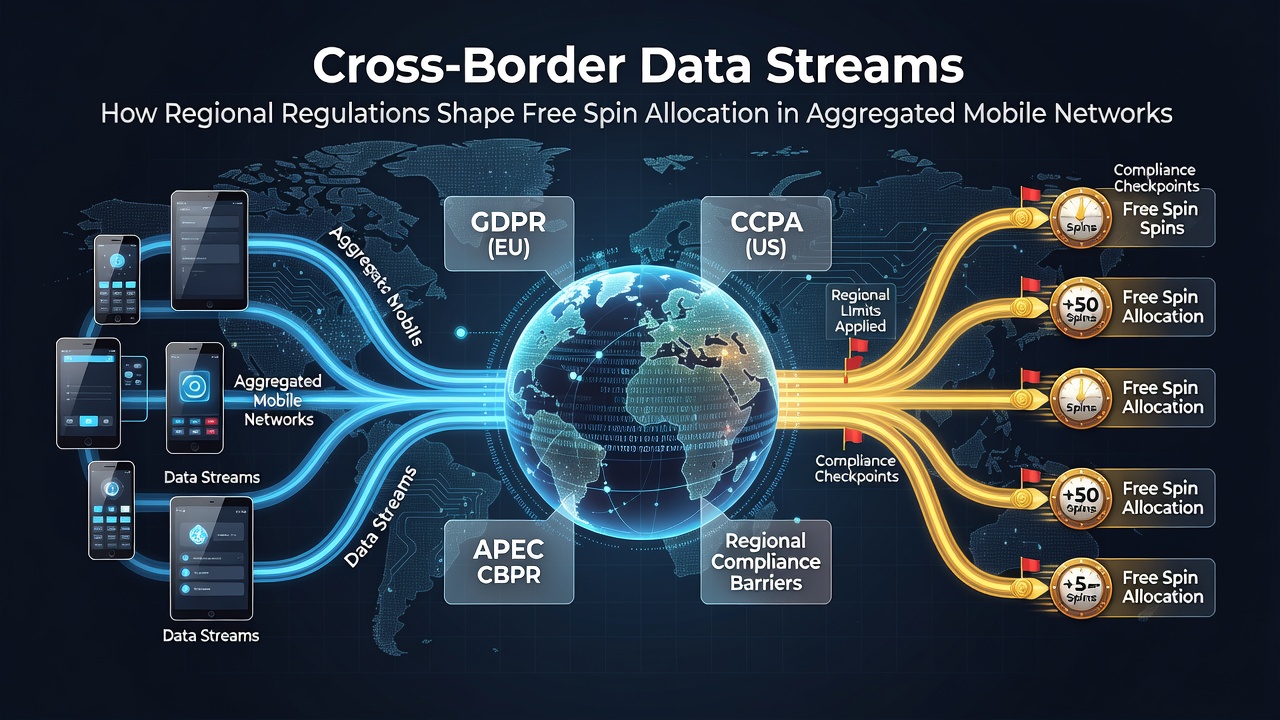
Cross-Border Data Streams: How Regional Regulations Shape Free Spin Allocation in Aggregated Mobile Networks
Regional regulations continue to influence how aggregated mobile networks handle data streams that determine free spin allocation, with data protection rules and gambling compliance requirements creating distinct operational patterns across jurisdictions. Operators managing these networks must navigate varying standards for data transfer, storage, and processing that directly affect bonus distribution mechanics. In practice, these frameworks determine when and how free spins become available to users based on location-specific constraints rather than uniform global protocols.
Data Transfer Rules and Their Impact on Bonus Systems
Cross-border data streams carry player information that aggregated platforms use to verify eligibility and trigger free spin awards, yet regulations in different regions impose specific conditions on those transfers. The European Union's data protection framework requires explicit consent mechanisms and data minimization practices before any information crosses borders, which means mobile networks often segment user profiles geographically to maintain compliance. This segmentation leads to separate processing queues where free spin offers activate only after local verification steps complete. Observers note that similar patterns appear in other markets, where data localization mandates force networks to maintain regional servers that sync at scheduled intervals rather than in real time.
Research from industry reports shows that platforms operating across multiple zones adjust allocation algorithms to account for these delays. A study examining aggregated networks found that free spin triggers tied to international data flows experience processing windows ranging from several minutes to hours depending on the jurisdictions involved. Those who've studied the technical architecture describe how latency from regulatory checks alters the timing of bonus releases, creating staggered distribution cycles that vary by player region.
Regional Compliance Variations in Mobile Gaming Networks
North American frameworks present another layer of complexity, with state-level rules in the US and provincial standards in Canada requiring distinct reporting on data handling before bonuses can issue. Aggregated mobile networks respond by building modular systems that route data through approved channels, which in turn affects how free spins are calculated and assigned. Figures from regulatory filings reveal that operators tracking cross-border activity in late 2025 reported increased investment in localized data centers to meet these obligations ahead of anticipated updates scheduled for November 2026.
Asia-Pacific jurisdictions add further diversity, where countries like Australia and Singapore enforce strict controls on financial and behavioral data tied to gambling promotions. Networks serving these areas often implement additional encryption layers and audit trails that slow the data streams feeding free spin allocation engines. One analysis of multi-provider platforms documented how these requirements result in differentiated bonus pools, with certain free spin offers restricted to users whose data remains within approved regional boundaries throughout the transaction lifecycle.
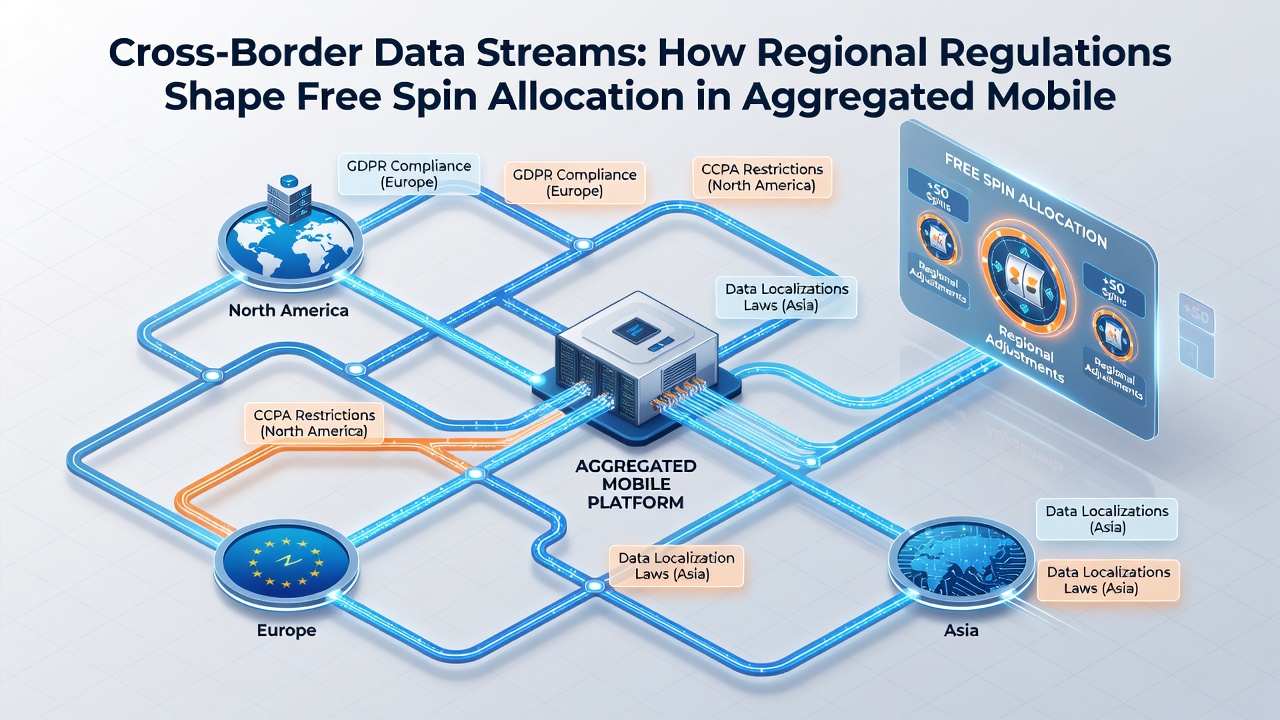
Technical Adaptations in Aggregated Platforms
Platform developers have responded to these regulatory pressures by designing adaptive routing protocols that prioritize compliance over speed. These systems evaluate incoming data streams against jurisdiction-specific rule sets before allowing free spin allocation to proceed, which prevents violations while maintaining service continuity. Data from technical reviews indicates that such adaptations have become standard among major aggregators, particularly those handling traffic from both European and North American users simultaneously.
What's notable is the way these adjustments influence user experience indirectly. Players in regions with stricter oversight encounter different free spin availability windows compared to those in less restrictive zones, even when using the same aggregated network. Industry organizations tracking these developments report that synchronization between regional servers now includes built-in compliance buffers that automatically adjust allocation parameters based on the origin of each data packet.
Future Outlook for November 2026 and Beyond
Anticipated regulatory shifts in November 2026 are expected to introduce additional reporting requirements for cross-border data movements related to promotional mechanics. Aggregated mobile networks have already begun testing enhanced logging systems that record every step of free spin allocation tied to international streams. According to preliminary assessments shared by research institutions, these changes could further refine how platforms segment and process bonus data to align with evolving standards across multiple continents.
Conclusion
The interplay between regional regulations and cross-border data streams continues to define operational boundaries for free spin allocation within aggregated mobile networks. As jurisdictions refine their approaches to data governance and gambling oversight, platforms adapt through technical segmentation and compliance-focused routing that shapes when and where bonuses activate. Evidence from ongoing implementations demonstrates that these patterns remain dynamic, with networks balancing regulatory demands against the need for consistent service delivery across borders.