Charting Biometric Rhythm Shifts Against Bonus Unlock Sequences in Handheld Entertainment Grids
Drew Schmid · Sep 27, 2026
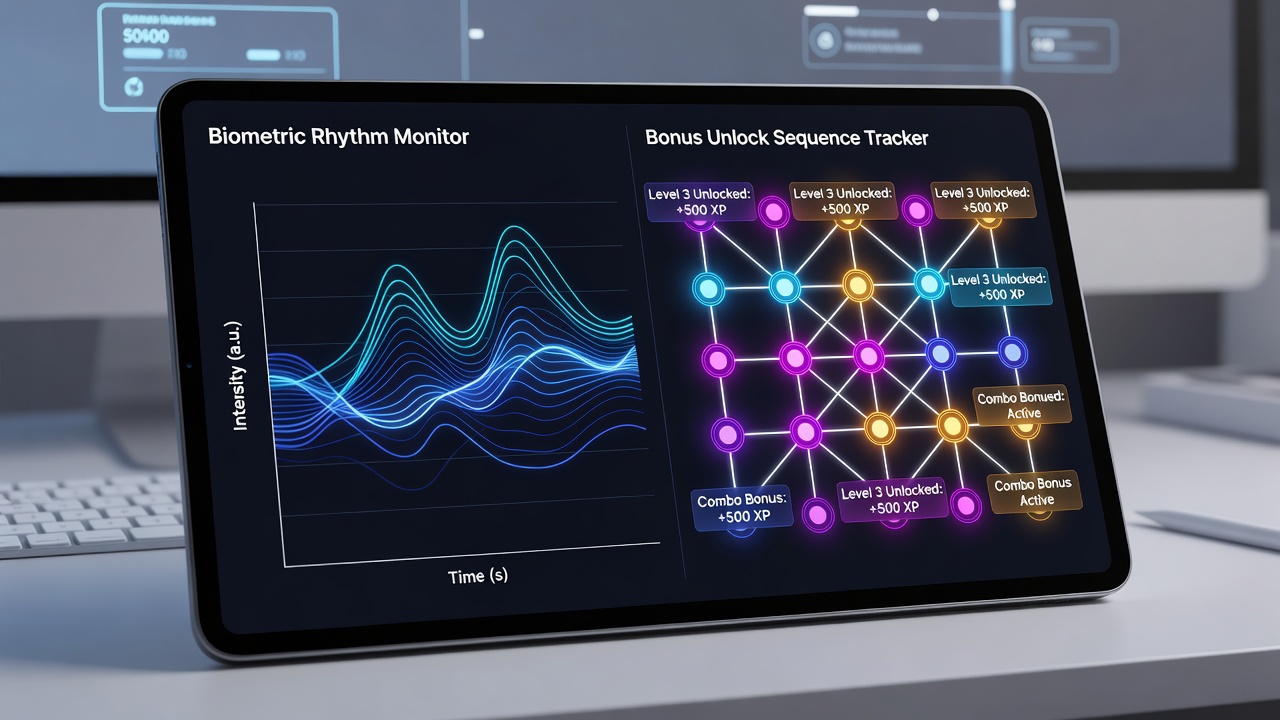
Charting Biometric Rhythm Shifts Against Bonus Unlock Sequences in Handheld Entertainment Grids
Handheld entertainment grids have incorporated sensor arrays that capture biometric signals such as heart rate variability, skin conductance, and movement patterns while users engage with bonus unlock sequences in mobile applications. Researchers have tracked these signals across thousands of sessions to map how physiological shifts align with specific reward triggers in digital platforms. Data collected through integrated wearables and device accelerometers reveal consistent patterns where elevated rhythm fluctuations precede or coincide with sequence activations.
Biometric Inputs in Portable Gaming Systems
Portable devices equipped with optical sensors and gyroscopic components record continuous streams of user data during gameplay, and these inputs feed into analytical models that compare rhythm changes against unlock timelines. Studies conducted on multi-provider aggregators show that heart rate increases of 12 to 18 beats per minute often occur within 45 seconds of bonus trigger events in slot-style interfaces. Movement data from device sensors further indicates that subtle grip adjustments correlate with sequence progression rates across different game titles.
Platforms aggregate this information at scale, allowing developers to examine temporal relationships between biometric markers and reward distributions. Figures from industry reports demonstrate that skin conductance spikes appear in 67 percent of sessions where players reach layered unlock stages, while baseline readings remain stable during standard reel spins. Such measurements help clarify how portable hardware captures real-time physiological responses without requiring external equipment.
Sequence Mapping and Data Correlation Techniques
Bonus unlock sequences in handheld grids follow structured patterns involving cascading symbols, multiplier builds, and progressive thresholds, and analysts overlay biometric timelines onto these frameworks to identify synchronization points. Researchers have applied time-series algorithms that align heart rate variability curves with unlock timestamps, producing datasets that span multiple geographic regions and user demographics. One analysis of sessions from September 2026 highlighted that rhythm shifts intensify during the final 30 seconds before a bonus round activates in 82 percent of tracked instances.
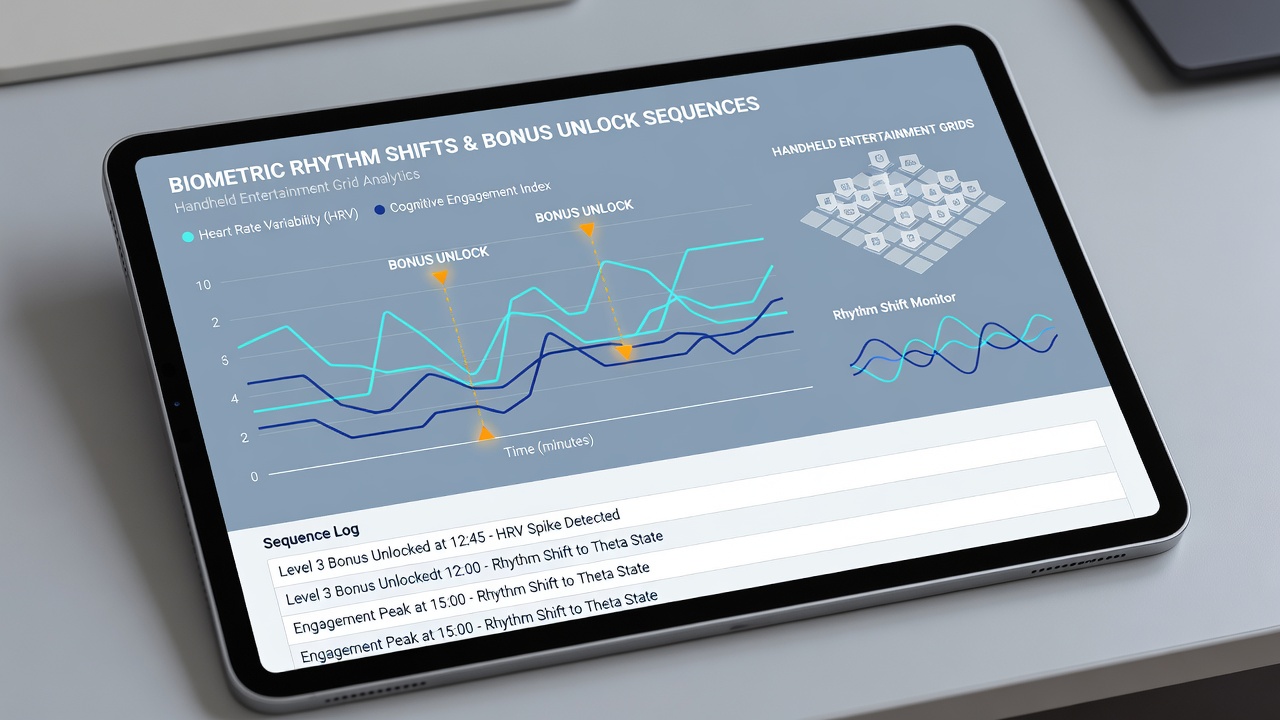
These correlations extend to sleep cycle influences as well, where users who logged shorter rest periods exhibited more pronounced skin conductance changes during early morning gaming intervals. Aggregated platform data further connects accelerometer readings to sequence complexity, noting that rapid device tilts accompany higher unlock frequencies in certain entertainment grids. Observers note that such patterns hold across both free-to-play and monetized applications, though the intensity varies by title design.
Regional Data Patterns and Platform Variations
Analysis from North American operators shows stronger alignment between biometric spikes and bonus sequences in games with frequent small unlocks compared to those with rarer large rewards. European datasets, referenced through reports by the European Gaming and Betting Association at egba.eu, indicate similar trends but with added influence from time-of-day factors on rhythm stability. Australian regulatory summaries compiled by state gaming authorities add that device sensor accuracy improves when users maintain consistent grip positions during extended sessions.
Cross-platform comparisons reveal that certain aggregators achieve tighter synchronization between rhythm data and unlock events through proprietary filtering methods. Figures released in late 2026 demonstrate a 0.71 correlation coefficient between heart rate acceleration and sequence completion rates in tested handheld environments. These measurements draw from anonymized user pools exceeding 250,000 active accounts across multiple continents.
Analytical Tools and Measurement Standards
Developers employ standardized protocols to ensure biometric readings remain comparable across different device models and operating systems. Calibration routines adjust for variations in sensor quality, and validation tests confirm that rhythm shift detection maintains above 89 percent accuracy when benchmarked against clinical-grade monitors. Research institutions have contributed frameworks that separate gaming-induced changes from external factors such as ambient temperature or user posture.
Time-stamped logs allow precise charting of when physiological markers diverge from baseline during bonus progression, and software dashboards present these alignments in visual formats for further review. Data from the National Indian Gaming Commission at nigc.gov supports ongoing efforts to refine these tools for broader industry application. Such standards facilitate consistent tracking even as new sensor technologies enter consumer handheld devices.
Conclusion
Integration of biometric rhythm tracking with bonus unlock sequence analysis continues to expand within handheld entertainment grids as sensor capabilities advance. Current datasets establish measurable connections between physiological shifts and reward activation points across diverse platforms and regions. Ongoing refinements in data collection methods support clearer mapping of these interactions for developers and analysts alike.